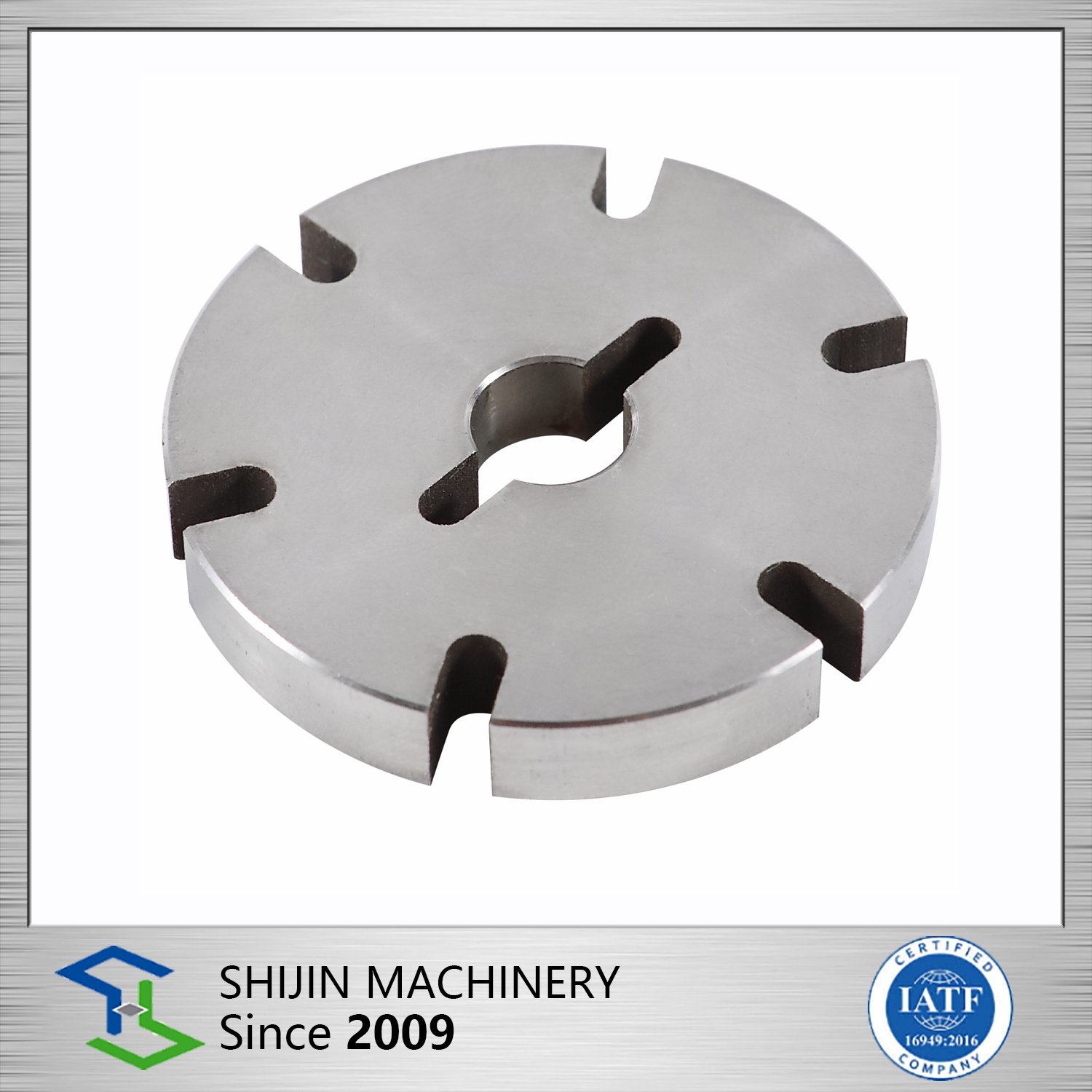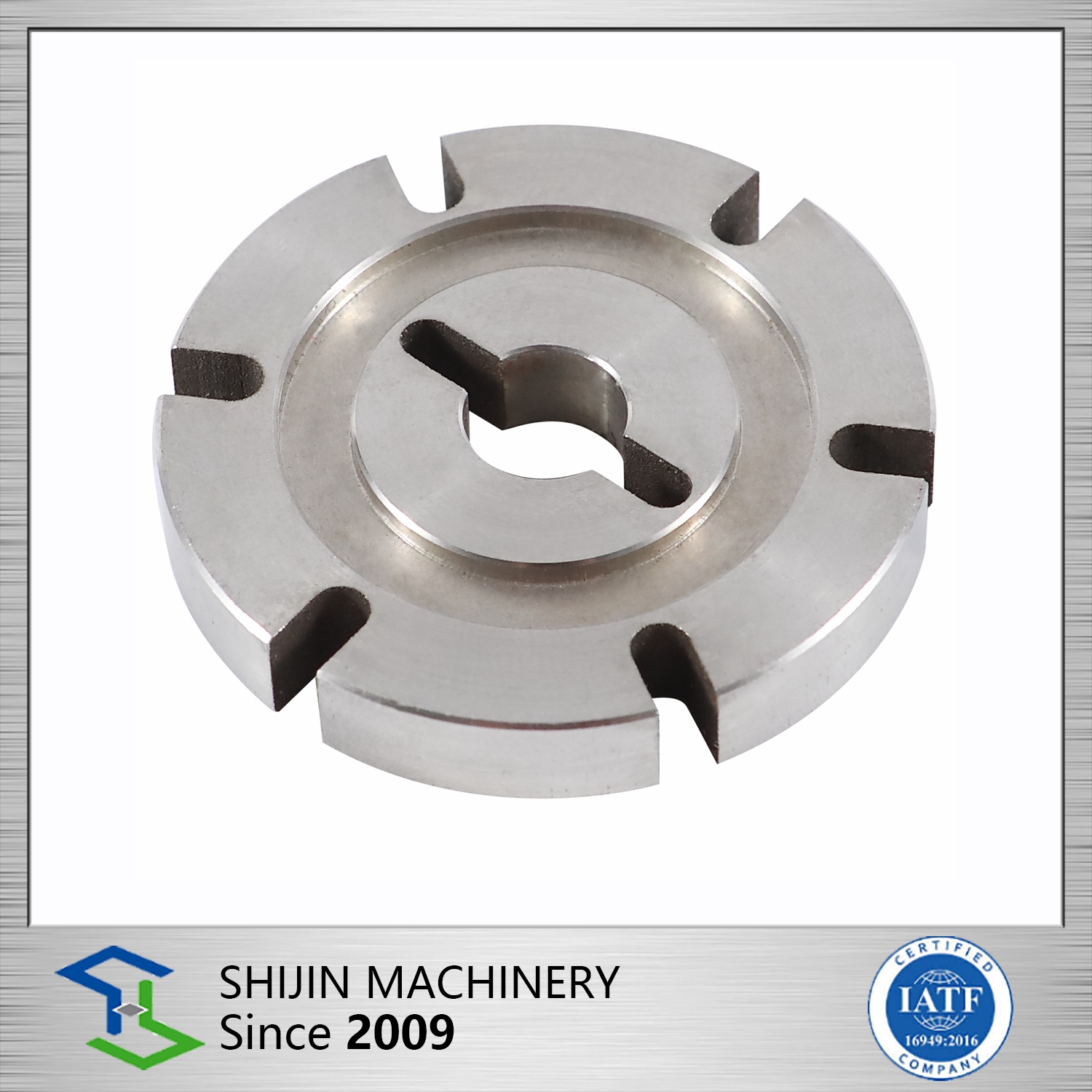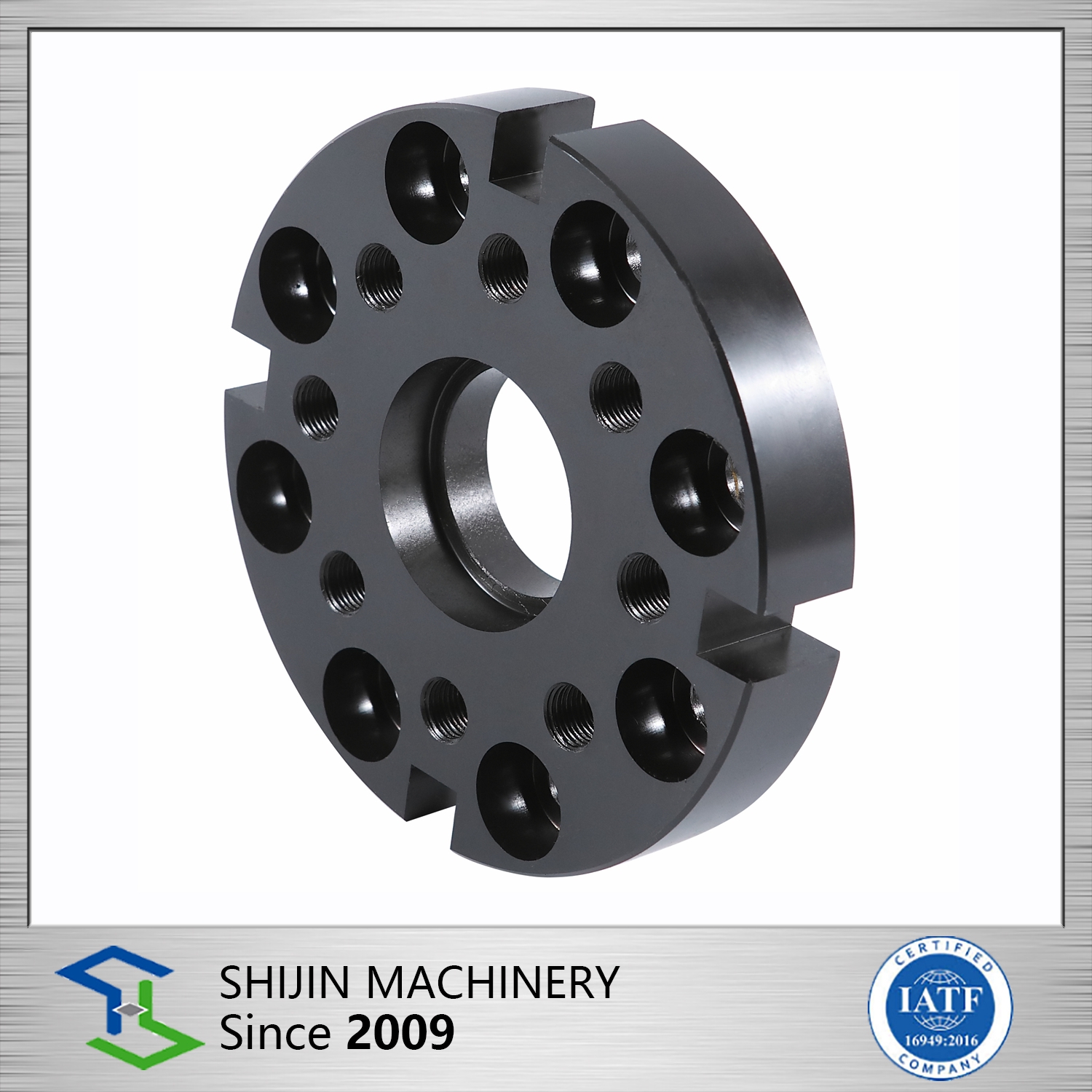


In the precision machining industry, electroplating is a frequently used surface treatment.
Electroplating involves passing an electric current through a solution called an electrolyte. This is done by dipping two terminals called electrodes into the electrolyte and connecting them into a circuit with a battery or other power supply. The electrodes and electrolyte are made from carefully chosen elements or compounds.
When the electricity flows through the circuit they make, the electrolyte splits up and some of the metal atoms it contains are deposited in a thin layer on top of one of the electrodes—it becomes electroplated. All kinds of metals can be plated in this way, including gold, silver, tin, zinc, copper, cadmium, chromium, nickel, platinum, and lead.

How they're used?
Copperplating is used extensively to prevent case hardening of steel on specified parts.Silver plating is used on tableware and electrical contacts; it has also been used on engine bearings. The most extensive use of gold plating is on jewelry and watch cases. Zinc coatings prevent the corrosion of steel articles, while nickel and chromium plate are used on automobiles and household appliances.

Applications for Electroplating
Military weaponry
Medical diagnostic instruments
Optics
Tools and dies
Aircraft components
Machine components
Electronics & computer devices
Enclosures, chassis and heat sinks
Mechanical assemblies